
Over the past decade, battery technology has been the primary driver behind the growth of electric vehicles. In 2026, the pace of innovation continues to accelerate as automakers and suppliers push for longer range, faster charging, and improved safety.
Ultra-Fast Charging Becomes a Reality
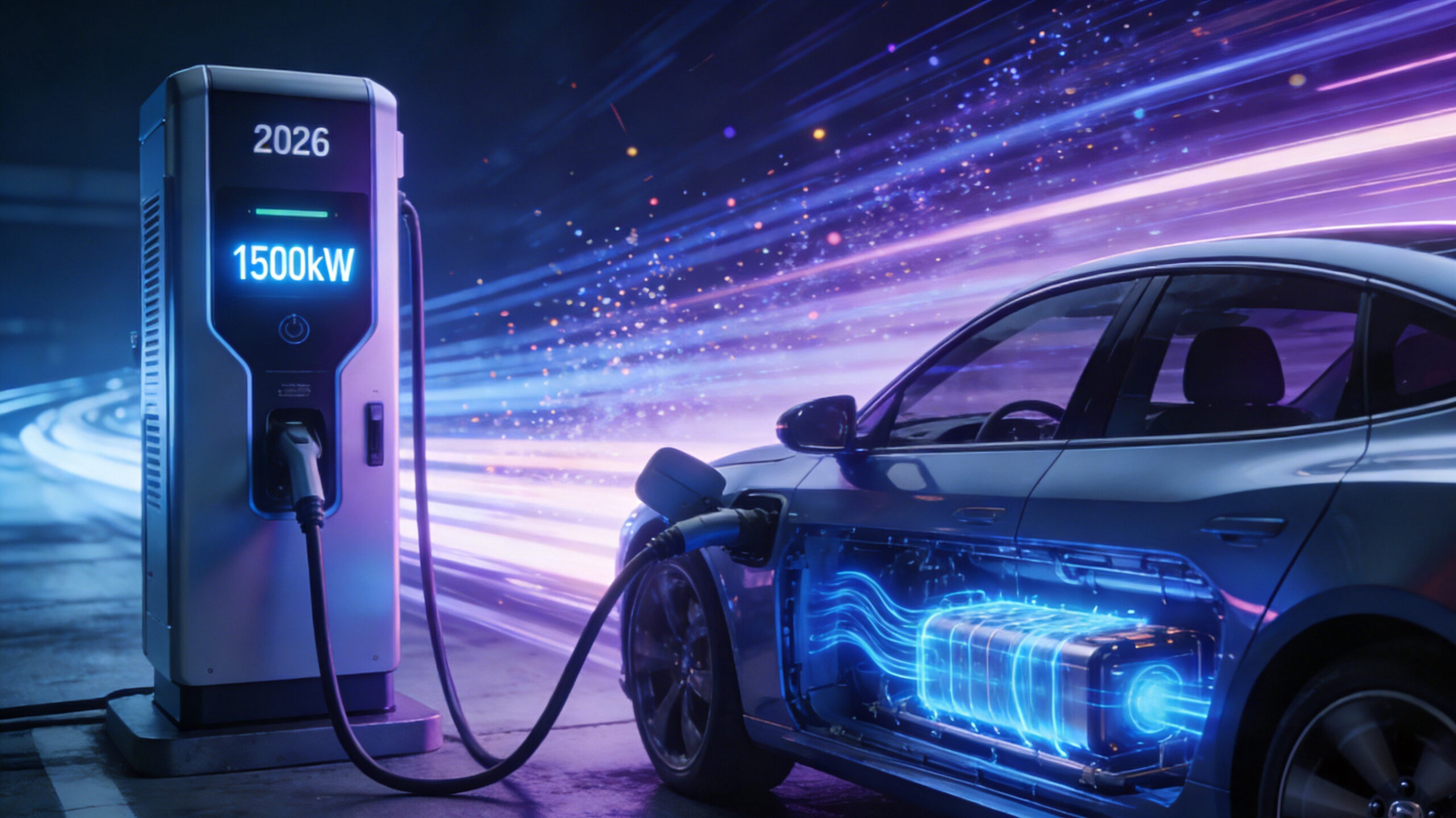
One of the most notable developments this year is the advancement of ultra-fast charging systems. New charging technologies are now capable of delivering significantly higher power levels compared with previous generations.
For example, new charging infrastructure rated at 1,500 kW has demonstrated the ability to add approximately 200–250 miles of driving range in about five minutes, depending on vehicle compatibility and battery design.
This represents a major step toward making electric vehicle charging times comparable to conventional refueling.
However, such charging speeds require improvements not only in charging stations but also in battery architecture, thermal management systems, and vehicle power electronics.
The Emergence of Next-Generation Battery Chemistries
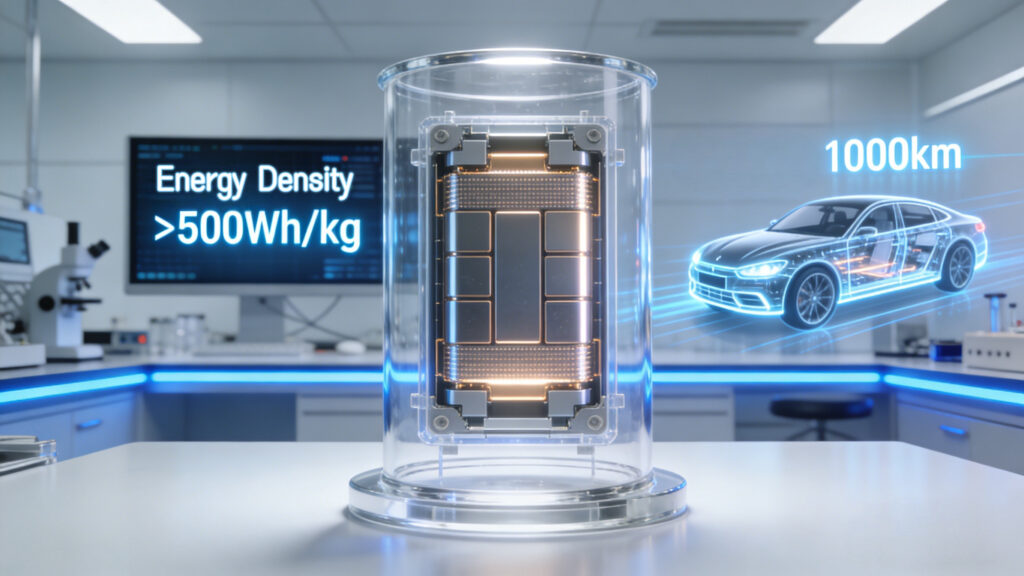
Battery chemistry is also evolving rapidly. Researchers are exploring semi-solid-state battery technologies that could deliver energy densities exceeding 500 Wh/kg at the cell level, significantly higher than most current lithium-ion batteries.
Some prototype systems have demonstrated ranges approaching 1,000 km per charge, highlighting the potential for future electric vehicles to exceed the range of many internal combustion vehicles.
Although these technologies are still in early stages of commercialization, they represent the direction in which the EV industry is heading.
Thermal Management Remains Critical
As battery capacity and charging power increase, battery thermal management systems (BTMS) become even more important.
Effective thermal management ensures:
stable battery temperature
improved safety
longer battery lifespan
consistent performance under extreme conditions
Market research indicates that the global EV thermal management market could grow from $27.9 billion in 2025 to over $78 billion by 2034, reflecting the growing importance of this technology.
The Road Ahead
The future of EV batteries will likely be defined by three key factors:
higher energy density
faster charging capability
improved system integration
For manufacturers and system integrators, collaboration across battery suppliers, power electronics providers, and vehicle platform developers will be essential to bring these technologies into large-scale production.